
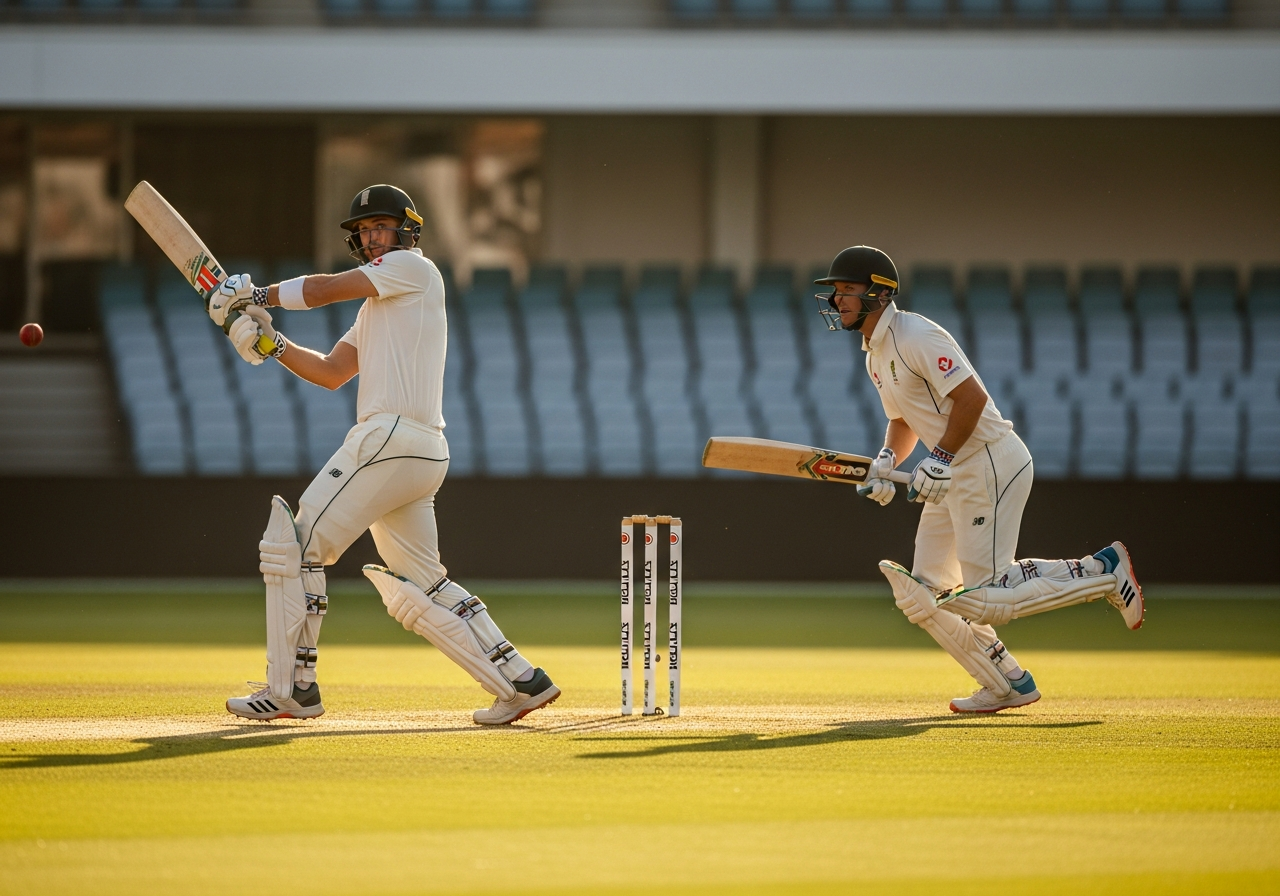
The opening partnership in cricket refers to the runs scored by a team’s first two batsmen before either gets out or retires. In Indian cricket, this metric holds special significance given the country’s rich tradition of aggressive, technically sound openers who have consistently delivered match-winning starts across formats. From the elegant strokeplay of Sunil Gavaskar to the explosive batting of Rohit Sharma, Indian opening partnerships have provided countless memorable moments and substantial betting opportunities.
Betting on the highest opening partnership offers Indian cricket fans a strategic approach to wagering that combines statistical analysis with real-time match conditions. This market allows bettors to focus on specific phases of play rather than predicting entire match outcomes, making it particularly attractive for those who understand opening batsmen’s tendencies and how external factors influence early-innings scoring. However, successful betting in this area requires disciplined bankroll management and a clear understanding of both the opportunities and risks involved.
What Is an Opening Partnership Bet in Indian Cricket?
Opening partnership betting involves wagering on the total runs scored by India’s first two batsmen before the first wicket falls. This market encompasses various bet types, from simple over/under totals to more complex propositions comparing India’s opening stand with their opponents’. The betting options typically include exact run ranges, highest partnership between both teams, and live markets that adjust as the partnership develops.
These markets are most commonly offered for ODI matches, where opening partnerships tend to be more predictable and substantial, though T20 and Test match options are increasingly available. In ODIs, a strong opening partnership of 80-120 runs is often considered above average for India, while T20s see more volatile patterns with partnerships ranging from quick dismissals to explosive 60-80 run stands in the powerplay.
The appeal for bettors lies in the format’s contained nature—you’re essentially betting on a mini-session within the larger match. This allows for focused analysis of specific players, recent form, and early-match conditions without needing to predict complex middle-order collapses or tail-end heroics.
Understanding the context is crucial for Indian matches, as the team’s opening approach varies significantly based on match situation, format, and opposition bowling quality. India’s historical strength at the top of the order means bookmakers often set competitive lines, creating value opportunities for informed bettors who can identify when market prices don’t fully reflect current conditions or player form.
Types of Highest Opening Partnership Markets You’ll See for India
- Over/Under Total Runs: The most straightforward market where you bet whether India’s opening partnership will exceed or fall short of a predetermined total, typically ranging from 35-85 runs depending on format and conditions
- Exact Partnership Bands: More specific markets offering odds on ranges like 0-24, 25-49, 50-74, or 75+ runs, providing higher odds but requiring more precise predictions
- Highest Opening Partnership (Both Teams): A comparative market where you bet on which team will achieve the higher opening partnership total, accounting for both batting lineups and bowling attacks
- First Wicket Method: Combines partnership betting with dismissal type, such as whether the partnership will end via bowled, caught, LBW, or run-out
- Partnership vs Individual Score: Propositions comparing the opening partnership total to specific milestones, such as whether it will exceed the highest individual score in the innings
How Bookmakers Set Lines for Indian Opening Stands
Bookmakers establish opening partnership lines by analyzing comprehensive data sets that include recent form, venue-specific statistics, opposition bowling quality, and historical head-to-head records. They particularly focus on the last 10-15 matches for each opening pair, adjusting for different opponents and conditions to create baseline expectations.
Venue data plays a crucial role, as Indian grounds vary significantly in terms of boundary dimensions, pitch characteristics, and atmospheric conditions. A venue like Mumbai’s Wankhede Stadium, known for its batting-friendly conditions and short boundaries, will typically see higher opening partnership lines compared to a ground like Chennai’s MA Chidambaram Stadium, where slower pitches and larger boundaries can restrict early scoring.
Market makers also incorporate real-time factors such as team news, weather forecasts, and toss results. The announcement of India’s playing XI can shift lines significantly—if a regular opener is replaced due to injury or rotation, bookmakers will quickly adjust totals to reflect the change in expected performance. Similarly, winning the toss and choosing to bat first in favorable conditions often leads to upward line movement.
Key Indian Opening Partnership Records That Matter for Bettors
Understanding India’s opening partnership records provides crucial context for betting decisions, but the key is interpreting these achievements within their specific circumstances rather than expecting similar performances in different conditions. Historical highs often occurred against weaker bowling attacks or in particularly favorable batting conditions that may not reflect typical match scenarios.
The most relevant records for bettors focus on consistency patterns rather than absolute peaks. For instance, while Rohit Sharma and Shikhar Dhawan’s 200+ run partnerships grab headlines, their average opening stand of 65-75 runs in ODIs provides more actionable betting intelligence for typical match situations.
Context matters enormously when evaluating these records. A 150-run partnership against associate nations on a flat pitch carries different predictive value than an 80-run stand against Australia’s new-ball attack in seaming conditions. Smart bettors focus on records achieved against similar opposition and conditions to the upcoming match.
These historical benchmarks also help identify when bookmaker lines might be offering value. If India’s opening pair has consistently exceeded 50 runs against a particular type of bowling attack, but the current line sits at 45 runs, there may be an opportunity to back the over at favorable odds.
| Format | Indian Opening Pair | Best Partnership (Runs) | Opponent | Year | Relevance for Betting |
|---|---|---|---|---|---|
| ODI | Rohit Sharma/Shikhar Dhawan | 210 | Afghanistan | 2018 | Exceptional ceiling but against weaker attack |
| ODI | Sachin Tendulkar/Sourav Ganguly | 153 | New Zealand | 1999 | Gold standard for quality opposition |
| T20I | Rohit Sharma/KL Rahul | 165 | West Indies | 2019 | T20 ceiling indicator for flat pitches |
| Test | Mayank Agarwal/Rohit Sharma | 317 | South Africa | 2019 | Home advantage in favorable conditions |
| ODI | Virender Sehwag/Sachin Tendulkar | 182 | New Zealand | 2003 | Aggressive approach baseline |
Highest ODI Opening Partnerships for India by Pair and Ceiling
The Rohit Sharma and Shikhar Dhawan partnership represents the gold standard for modern Indian opening combinations, with their 210-run stand against Afghanistan showcasing their ceiling potential. However, for betting purposes, their more sustainable range of 60-90 runs against quality opposition provides better guidance for typical match expectations. This pair’s strength lies in their complementary styles—Rohit’s calculated aggression balanced by Dhawan’s classical technique and rotation ability.
Historical combinations like Tendulkar and Ganguly offer valuable context for understanding how different batting approaches affect partnership sustainability. Their 153-run partnership against New Zealand demonstrated the effectiveness of building partnerships through rotating strike and capitalizing on scoring opportunities, rather than relying purely on boundary hitting. This approach often translates to more consistent partnership totals, making over bets more reliable in similar conditions.
Average Opening Stand: India vs Conditions, Venues and Opposition
India’s opening partnership performance varies dramatically based on contextual factors, with home conditions typically producing 15-25% higher partnership totals compared to overseas tours. The difference becomes even more pronounced when considering specific venue characteristics and opposition bowling quality.
Asian conditions generally favor Indian openers due to familiarity with subcontinental pitches, spin-friendly surfaces that often start flat before deteriorating, and crowd support that can energize batsmen. Conversely, tours to SENA countries (South Africa, England, New Zealand, Australia) present unique challenges through pace-friendly conditions, swing bowling, and different bounce patterns that Indian openers historically struggle to adapt to quickly.
The timing of matches also significantly impacts partnership totals. Day-night ODIs in India often see elevated scoring in the first innings due to dew factor expectations, while morning starts in overseas conditions can favor bowling due to atmospheric assistance. Understanding these patterns helps bettors identify when bookmaker lines might not fully account for situational advantages or disadvantages.
Opposition bowling strength provides another crucial layer of analysis. India’s opening partnerships average 25-30 runs higher against teams ranked outside the top 6 in ODI cricket, with the difference being even more pronounced when facing associate nations or teams in transitional phases with developing bowling attacks.
| Context | Average Indian Opening Runs | Strike Rate Tendencies | Typical Dismissal Pattern | Betting Angle |
|---|---|---|---|---|
| Home (India) ODIs | 78 runs | 85-95 per 100 balls | Spin trap or pace miscue | Target over 65+ lines |
| Away vs SENA | 52 runs | 70-85 per 100 balls | Edge to slip/keeper | Consider under on high lines |
| vs Top 3 Teams | 61 runs | 75-90 per 100 balls | Quality bowling pressure | Lower lines offer value |
| Day-Night Matches | 71 runs | 85-100 per 100 balls | Attacking dismissal | Bat first advantage |
| Flat Pitches | 89 runs | 90-110 per 100 balls | Shot selection error | High total backing |
| Seaming Conditions | 43 runs | 65-80 per 100 balls | Movement-induced edge | Under bets preferred |
How Indian Venues Influence Opening Partnership Totals
- Wankhede Stadium, Mumbai: Short boundaries and traditionally batting-friendly pitches produce 15% above-average partnership totals, with dew factor in evening matches further boosting first-innings scores
- M. Chinnaswamy Stadium, Bangalore: High altitude and smaller ground dimensions create favorable batting conditions, though variable bounce can occasionally trouble openers early in innings
- Eden Gardens, Kolkata: Large ground with slower outfield tends to reduce boundary scoring but facilitates partnership building through running between wickets and rotating strike
- Feroz Shah Kotla, Delhi: Spin-friendly surface that typically starts well for batting but can offer early assistance to quality spinners, creating volatile partnership outcomes
- MA Chidambaram Stadium, Chennai: Slower, lower pitches that often favor bowling early, resulting in below-average opening partnership totals and more conservative batting approaches
Opposition New-Ball Threat vs Indian Top-Order Strength
The quality and style of opposition new-ball bowling significantly impacts Indian opening partnership betting calculations. Fast, aggressive attacks like Australia’s Starc-Hazlewood combination or England’s Anderson-Broad partnership typically suppress Indian opening partnership totals by 20-30% compared to average, particularly in seaming conditions where their skills are maximized.
Conversely, attacks lacking genuine pace or swing bowling often allow Indian openers to settle and build substantial partnerships. Teams relying primarily on medium-pace bowling or inexperienced new-ball operators frequently see Indian opening partnerships exceed 70-80 runs, as batsmen can time their shots more easily and face fewer deliveries that threaten their techniques.
The matchup factor extends beyond pure skill levels to include tactical considerations. Some bowling attacks focus on containment rather than early wickets, which can actually benefit partnership building by allowing Indian openers to accumulate runs through singles and rotate strike. Understanding these tactical approaches helps identify betting opportunities where partnership lines don’t reflect the likely flow of early overs.
Profiling India’s Main Opening Pairs and Their Betting Patterns
Different Indian opening combinations exhibit distinct patterns that smart bettors can exploit when lines don’t reflect these tendencies. The Rohit Sharma-Shikhar Dhawan partnership, for instance, typically starts cautiously before accelerating, meaning their partnerships often build steadily toward substantial totals rather than producing quick bursts of runs.
Understanding individual player psychology also matters significantly for betting decisions. Rohit Sharma tends to either get out early for minimal contribution or build substantial innings, creating a bimodal distribution that affects partnership betting. When Rohit successfully navigates the first 10-15 balls, partnership totals often exceed expectations as his timing and power game begin to flow.
Newer combinations like KL Rahul with various partners show different risk-reward profiles. Rahul’s technically sound approach often produces consistent 20-40 run partnerships but with lower ceiling potential compared to more aggressive combinations. This consistency can be valuable for betting strategies focused on hitting moderate totals rather than chasing exceptional partnerships.
The key insight for bettors is that partnership styles don’t just affect total runs—they influence how quickly partnerships develop and the likelihood of sudden collapses versus gradual dismissals. Aggressive partnerships may reach high totals more often but also face greater risk of early termination, while conservative approaches provide steadier but potentially limited upside.
- Rohit Sharma-Shikhar Dhawan (ODI Focus): Complementary styles with consistent 60-90 run partnerships against quality opposition, though vulnerable to early swing bowling and require 10-15 balls to settle
- KL Rahul-Rohit Sharma (Multi-format): Technically solid combination with lower variance, producing steady partnerships in the 40-70 run range but lacking explosive ceiling potential of more aggressive pairs
- Shubman Gill-Rohit Sharma (Emerging): Youth-experience blend showing promise in limited sample, with Gill’s classical technique complementing Rohit’s power game for potentially substantial partnerships
- Virat Kohli-Rohit Sharma (Occasional): When Kohli opens, typically in T20s or special circumstances, creates highly aggressive approach with boom-bust tendencies—either exceptional partnerships or quick dismissals
- Mayank Agarwal combinations (Test-focused): Primarily relevant for Test cricket, showing patient approach that builds partnerships gradually but with substantial ceiling potential in favorable conditions
Interpreting Small Sample Sizes for New Indian Opening Combos
When India experiments with new opening partnerships, betting lines often lag behind reality as bookmakers rely on limited data. This creates both opportunities and risks for bettors who must balance potential value against genuine uncertainty about how untested combinations will perform under pressure.
The safest approach with new partnerships involves focusing on individual player statistics and form rather than combination-specific data. If both openers have strong recent form individually, there’s often value in backing moderate partnership totals even without extensive pairing history.
However, chemistry and role definition take time to develop between new opening partners. Early matches may see confusion over strike rotation, calling between wickets, or tactical approach, potentially leading to lower partnership totals until the combination settles. Smart bettors often wait 2-3 matches before heavily backing new opening pairs, allowing time for combinations to establish their rhythm.
Core Factors That Move Highest Opening Partnership Lines in India Matches
Several key factors consistently influence how bookmakers adjust opening partnership lines for Indian matches, with pitch conditions and opposition bowling quality ranking as the most significant variables. Weather patterns, particularly dew factor in day-night matches, can cause lines to move substantially as conditions favor either batting or bowling phases.
Team news represents another major line-moving factor, with the replacement of regular openers causing immediate adjustments. When established partnerships are broken due to injury or rotation, bookmakers typically lower lines by 10-20 runs to account for reduced chemistry and familiarity between batsmen.
Powerplay field restrictions create unique dynamics in limited-overs cricket that savvy bettors can exploit. India’s openers have historically performed better when able to target specific fielding patterns, and understanding how different opposition captains set their fields during the powerplay provides insight into likely partnership development patterns.
Toss results often trigger immediate line movements, particularly in conditions where batting first provides clear advantages. Day-night matches with dew expected later frequently see partnership lines increase by 10-15% when India bats first, as teams prioritize building substantial totals before conditions become more challenging for bowlers.
- Pitch Analysis: Surface pace, bounce consistency, and lateral movement potential directly determine how easily openers can time shots and build partnerships through confident strokeplay
- Opposition New-Ball Quality: The skill level and recent form of enemy pace bowlers, particularly their ability to generate swing or seam movement in current conditions
- Powerplay Strategy: How opposition captains typically set attacking or defensive fields, and whether India’s openers have historically succeeded against similar tactical approaches
- Weather and Atmospheric Conditions: Humidity levels affecting swing, cloud cover influencing movement, and dew expectations that might change conditions during the match
- Recent Form Trends: Both individual opener form and team batting momentum, including psychological factors from recent successes or failures in similar conditions
- Venue-Specific Records: Historical performance data at specific grounds, including boundary dimensions, typical scores, and how conditions change throughout different parts of the day
Impact of Powerplay Rules on Indian Opening Partnerships
Modern powerplay field restrictions significantly favor batting sides, with only two fielders allowed outside the 30-yard circle during the first 10 overs of ODIs and first 6 overs of T20s. Indian openers have adapted their strategies to exploit these regulations, often targeting square boundaries and manipulating field placements through intelligent shot selection.
The psychological aspect of powerplay batting also influences partnership development. Knowing they have numerical fielding advantages, Indian openers often display greater aggression and confidence, leading to higher partnership totals when they successfully navigate the first few overs. This creates betting opportunities when lines don’t fully account for powerplay advantages.
However, powerplay restrictions can also increase risk-taking that leads to early dismissals. When Indian openers attempt to maximize boundary scoring opportunities, they sometimes fall into traps set by clever bowling changes or field manipulations. Understanding each opener’s powerplay strategy helps predict whether they’re likely to build partnerships conservatively or pursue aggressive accumulation.
Reading Pitch and Weather for Indian Day/Night Games
Dew factor represents the most significant variable in Indian day-night cricket, often transforming bowling conditions dramatically during the second innings. When India bats first in matches where heavy dew is expected, partnership lines typically rise as teams prioritize building substantial totals before conditions become more challenging for their bowlers.
Temperature variations between day and night sessions also affect ball behavior and player comfort levels. Indian openers generally perform better in cooler evening conditions compared to afternoon heat, particularly during summer months when temperatures can exceed 35-40 degrees Celsius and affect concentration and timing.
Cloud cover patterns provide crucial betting intelligence, with overcast conditions typically assisting swing bowling that can trouble Indian openers early in innings. Monitoring weather forecasts and understanding how local atmospheric conditions affect ball movement helps identify betting opportunities where lines don’t reflect expected difficulty levels for partnership building.
Pre-Match Checklist for Betting on India’s Highest Opening Partnership
Successful betting on Indian opening partnerships requires systematic evaluation of multiple factors before placing wagers. The most effective approach involves creating a standardized checklist that accounts for both statistical analysis and current match conditions, ensuring consistent decision-making across different betting opportunities.
Begin by analyzing recent form trends for both opening batsmen, focusing on their last 5-8 innings rather than career statistics. Current form often outweighs historical performance when predicting immediate results, particularly for partnerships where confidence and timing play crucial roles in early-innings success.
Opposition analysis should focus specifically on new-ball bowling quality and recent effectiveness rather than overall team rankings. A weaker team with strong opening bowlers can suppress partnership totals more effectively than a stronger team lacking early-innings bowling threats.
- Verify Current Opening Combination: Confirm team selection and ensure regular partners are both playing, as backup openers typically produce lower partnership totals
- Assess Recent Individual Form: Check last 5 innings for each opener, noting runs scored, how they were dismissed, and confidence indicators from recent performances
- Evaluate Opposition New-Ball Attack: Research opening bowlers’ recent form, their historical success against Indian batsmen, and their effectiveness in current conditions
- Research Venue-Specific Trends: Review ground statistics for average opening partnerships, typical first-innings scores, and historical performance patterns
- Check Weather and Pitch Reports: Monitor conditions that might assist bowling or batting, including atmospheric humidity, wind patterns, and surface preparation
- Compare Current Line to Historical Data: Evaluate whether bookmaker pricing reflects statistical expectations or offers value based on current circumstances
Interpreting Team News and Toss for Indian Opening Bets
Team selection announcements often provide the first significant betting intelligence, particularly when India experiments with new opening combinations or rests regular players. Late changes due to fitness concerns can dramatically alter partnership expectations, as backup openers typically lack the chemistry and match experience of established pairs.
Toss results require immediate tactical evaluation, as winning the toss and choosing to bat first in favorable conditions often justifies increasing partnership expectations. Conversely, being forced to bat on challenging surfaces or in difficult atmospheric conditions should temper partnership total expectations regardless of line movement.
The timing between team announcements and toss results also creates brief opportunities for value betting. Sharp line movements following toss results sometimes overcorrect for changed conditions, creating temporary arbitrage opportunities for bettors who quickly evaluate the actual impact versus market perception of different scenarios.
Live Betting on India’s Opening Partnership: In-Play Angles
Live betting on Indian opening partnerships offers unique opportunities to capitalize on rapidly changing match conditions and early performance indicators. The key advantage lies in observing actual pitch behavior, player comfort levels, and bowling effectiveness before committing to positions, rather than relying solely on pre-match analysis.
Early overs provide crucial intelligence about likely partnership development. If Indian openers successfully navigate the first 3-4 overs against quality bowling, partnership lines often haven’t adjusted sufficiently to reflect reduced dismissal risk and growing confidence levels. Conversely, early struggles with timing or movement can signal that pre-match totals were too optimistic.
Ball-by-ball betting requires understanding how partnerships typically develop rather than just final totals. Indian opening partnerships often build through phases—cautious early accumulation, a period of acceleration, and either sustained scoring or sudden termination. Recognizing these phases helps identify optimal entry and exit points for live bets.
The psychological factor becomes more apparent in live betting, as body language, shot selection, and communication between batsmen provide insights not available through statistical analysis alone. Confident openers tend to build substantial partnerships once settled, while uncertain batsmen often struggle to develop major stands even in favorable conditions.
| In-Play Signal | What It Says About Indian Openers | Likely Market Reaction | Possible Betting Response |
|---|---|---|---|
| Easy first 2 overs, 15+ runs | Confident timing, favorable conditions | Lines move up 10-15% | Back higher totals quickly |
| Multiple play-and-miss shots | Struggling with movement/pace | Partnership totals drop | Consider lower bands |
| Bowling changes early | Opposition struggling for control | Markets favor batting | Value in higher partnership bets |
| Close LBW appeals/edges | Under pressure, dismissal likely | Lower total odds improve | Exit partnership longs |
| Sustained period without boundaries | Building carefully, pressure mounting | Uncertainty in pricing | Wait for clearer signals |
| Confident running between wickets | Good communication, settled partnership | Partnership sustainability improves | Support moderate to high totals |
Timing Your Entry and Exit in Indian Opening Stand Markets
- Early Entry Window (First 2-3 Overs): Best for backing higher totals when openers start confidently against quality bowling, as markets often underreact to positive early signs before adjusting upward
- Mid-Partnership Assessment (4-7 Overs): Optimal time for evaluating sustainability signals and adjusting positions based on partnership momentum and growing confidence or emerging struggle patterns
- Acceleration Phase Entry (8-12 Overs): Consider exiting partnership longs if significant milestones are reached, as risk increases when openers attempt to accelerate scoring rates
- Exit Strategy Signals: Close appeals, mistimed shots, or batting team timeout discussions often indicate increased dismissal risk and provide logical exit points for partnership positions
Using Ball-By-Ball Data and Visual Feeds Responsibly
Modern live betting relies heavily on real-time data streams and visual feeds, but bettors must account for transmission delays that can range from 5-15 seconds depending on viewing source. Professional live bettors often gain advantages through faster data feeds, making it crucial for recreational bettors to understand they may be operating with slightly delayed information.
The key is using visual feeds for trend analysis rather than attempting to exploit momentary advantages. Watching for sustained patterns in shot quality, player comfort, and bowling effectiveness provides valuable betting intelligence that isn’t immediately reflected in statistical feeds or automated line movements.
Bankroll Management for Opening Partnership Bets on India
Opening partnership betting requires specialized bankroll management due to the volatile nature of early-innings cricket and the relatively limited timeframe for bet resolution. Unlike full-match betting where circumstances can change dramatically over several hours, partnership bets typically resolve within 60-90 minutes, requiring more conservative stake sizing to account for limited diversification opportunities.
The binary nature of many partnership markets—where bets either win completely or lose entirely based on narrow margins—makes position sizing crucial for long-term success. A partnership that reaches 49 runs when you’ve backed the over 50 represents a complete loss despite nearly achieving the target, unlike some betting markets where partial success might limit losses.
Indian cricket’s popularity creates emotional betting risks that can undermine bankroll management discipline. The temptation to increase stakes on favorite players or chase losses after disappointing performances from established combinations requires specific countermeasures and predetermined betting limits.
Seasonal betting patterns also affect bankroll management, as India’s busy cricket calendar includes extended home seasons where partnership betting opportunities cluster together. Managing exposure across multiple matches in short timeframes prevents overconcentration and maintains betting discipline during high-opportunity periods.
| Stake Strategy | Typical Stake Size (as % of Bankroll) | Pros | Cons | Best For |
|---|---|---|---|---|
| Conservative Flat | 1-2% | Bankroll protection, emotional control | Limited profit potential | Beginners, emotional bettors |
| Proportional (Kelly) | 0.5-4% | Optimized growth, value-focused | Requires accurate edge estimation | Experienced, analytical bettors |
| Aggressive Value | 3-8% | Maximum opportunity exploitation | High volatility, ruin risk | Confident experts only |
| Variable Stakes | 1-5% | Flexible, confidence-adjusted | Discipline challenges | Selective, patient bettors |
Common Bankroll Mistakes Indian Cricket Bettors Make
- Chasing Historic Highs: Increasing stakes dramatically when backing partnerships to match famous records like Rohit-Dhawan’s 200+ stands, ignoring that exceptional performances are outliers rather than expected outcomes
- Emotional Staking on Star Players: Betting disproportionate amounts when favorite players like Rohit Sharma or Virat Kohli are involved, allowing personal attachment to override objective bankroll management principles
- Home Series Overconfidence: Dramatically increasing bet sizes during Indian home seasons without adjusting for the fact that favorable conditions are already reflected in bookmaker pricing
- Live Betting Losses Spiral: Attempting to recover pre-match partnership losses through larger live bets, often doubling down when partnerships struggle rather than accepting initial losses
- Tournament Fever Staking: Abandoning conservative bankroll management during major tournaments like World Cups, where emotional investment and media coverage encourage larger than normal wagers
Legal, Ethical and Responsible Betting for Indian Cricket Fans
Sports betting laws in India vary significantly by state, with some regions permitting certain forms of wagering while others maintain strict prohibitions. Cricket fans must understand their local legal framework before engaging in any betting activities, as violations can result in serious legal consequences regardless of winnings or losses.
Age verification represents a fundamental legal requirement, with 18 years representing the minimum age for any form of gambling participation. This applies both to direct betting and to accessing betting information or advice, making parental supervision crucial for younger cricket fans who may encounter betting content online.
Ethical betting involves treating gambling as entertainment rather than investment, maintaining predetermined limits, and never wagering money needed for essential expenses like housing, education, or family support. The unpredictable nature of cricket makes betting inherently risky, regardless of analytical sophistication or historical knowledge.
Problem gambling recognition becomes particularly important for cricket betting due to the sport’s emotional appeal and frequent match schedule. Warning signs include hiding betting activities from family, borrowing money for wagers, or experiencing significant mood changes based on betting outcomes rather than actual cricket enjoyment.
- Verify Legal Status: Research local and state laws regarding sports betting before participating, as legal frameworks vary dramatically across different Indian jurisdictions
- Age Compliance: Ensure all participants meet minimum age requirements and avoid sharing betting access with minors, regardless of family relationships or cricket knowledge
- Financial Boundaries: Establish clear spending limits based on disposable income only, never betting money allocated for essential expenses or borrowed funds
- Time Management: Limit betting research and activity to reasonable timeframes that don’t interfere with work, education, or family responsibilities
- Emotional Regulation: Maintain perspective on betting as entertainment rather than income generation, avoiding decisions driven by excitement or frustration
- Support Resources: Identify problem gambling helplines and counseling services available locally before issues develop, ensuring quick access if warning signs emerge
Keeping Emotion and Team Loyalty Out of Your India Bets
Supporting India creates inherent bias that can undermine objective betting analysis, as fans naturally want to back their favorite team and players even when statistical evidence suggests caution. The most effective approach involves treating India matches analytically rather than emotionally, focusing on data-driven insights rather than hope or loyalty when making betting decisions.
Creating artificial distance helps maintain objectivity when betting on Indian cricket. This might involve waiting 24 hours before placing bets on important India matches, allowing initial emotional reactions to subside in favor of careful analysis of actual winning probabilities versus available odds.
Diversification across different cricket betting markets and teams also reduces emotional attachment to specific outcomes. Rather than focusing exclusively on Indian opening partnerships, successful bettors often spread their activity across multiple teams and bet types, preventing excessive concentration on emotionally charged situations.
Warning Signs Your Betting on Indian Cricket Is Becoming Harmful
Escalating stakes represent one of the clearest danger signals, particularly when bet sizes increase following losses or during emotional periods surrounding important Indian victories or defeats. Healthy betting maintains consistent stake sizes regardless of recent results or personal feelings about team performance.
Secretive behavior around betting activities often indicates developing problems, especially hiding losses from family members or creating separate financial accounts to fund continued wagering. Transparency about betting activities and outcomes helps maintain accountability and prevents problems from developing unnoticed.
Putting It All Together: Building a Data-Led Strategy for India’s Opening Partnerships
Successful opening partnership betting on Indian cricket requires combining statistical analysis with situational awareness, creating reproducible methods that remove emotional decision-making while capitalizing on genuine betting opportunities. The most effective strategies focus on identifying specific situations where bookmaker lines don’t fully reflect probable outcomes rather than attempting to predict every match.
Building a systematic approach involves creating databases of relevant information including venue statistics, player form cycles, opposition bowling quality, and environmental factors that consistently influence opening partnership outcomes. This data foundation enables objective evaluation of betting opportunities without relying on memory or emotional impressions of recent performances.
Long-term success depends on maintaining discipline during both winning and losing streaks, as cricket’s inherent variability ensures that even excellent analysis will produce extended periods of poor results. The key lies in trusting proven methods while continuously refining analytical techniques based on new information and changing player capabilities.
Sample Framework for Evaluating Each India Match
- Confirm Team Selection and Opening Combination: Verify actual opening pair and assess any changes from regular combinations, noting potential chemistry or experience impacts
- Research Opposition Bowling Analysis: Evaluate new-ball attack quality, recent form, and historical success against Indian openers in similar conditions
- Assess Environmental and Venue Factors: Check pitch reports, weather forecasts, and venue-specific statistics for opening partnership averages and typical scoring patterns
- Calculate Expected Partnership Range: Use historical data and current form to estimate likely partnership totals, creating confidence intervals rather than point predictions
- Compare Market Pricing to Analysis: Identify discrepancies between calculated expectations and available betting lines, focusing on opportunities with clear value rather than marginal edges
- Apply Bankroll Management Rules: Size bets according to confidence level and bankroll management strategy, never exceeding predetermined limits regardless of apparent opportunity quality